
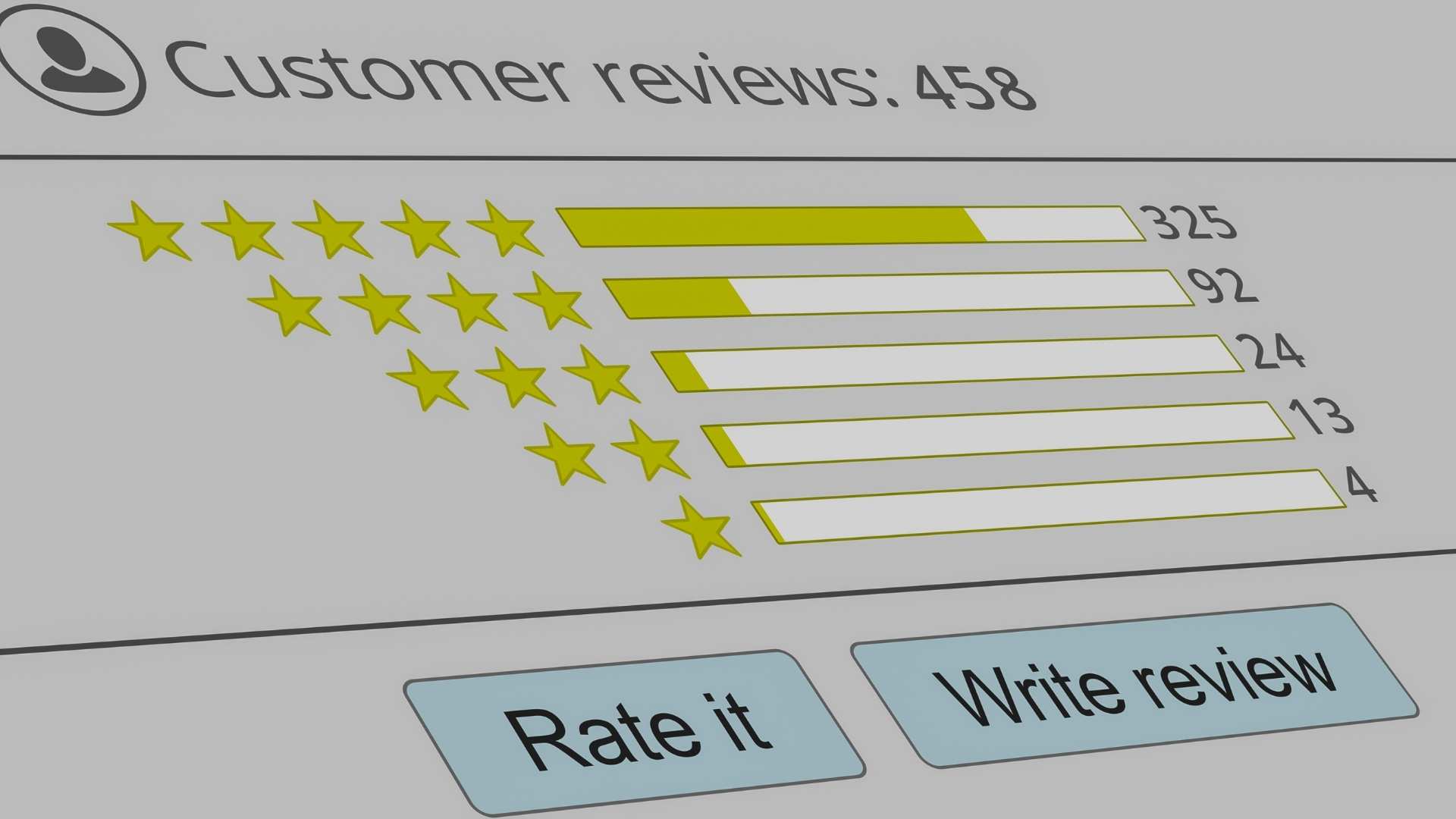
Businesses have spent years treating reviews as a tool for influencing potential customers. Today, reviews serve another audience as well: artificial intelligence. As AI-powered search experiences become more common, Google reviews for business have evolved from simple social proof into one of the most important trust signals available online. Large language models analyze review content, sentiment, recency, and engagement to determine which businesses appear credible, reliable, and worthy of recommendation. Companies that understand this shift are positioning themselves for greater visibility in both traditional search and AI-generated results.
How Do AI Systems Decide Which Businesses to Recommend?
Traditional search engines primarily relied on keywords, backlinks, and technical website signals to determine rankings. While those factors still matter, AI-powered search tools operate differently. Large language models are designed to synthesize information from multiple sources and provide direct answers to user questions.
When someone asks an AI tool for the best roofing contractor, marketing agency, restaurant, or healthcare provider, the system must determine which businesses deserve to be included in its response. To do that, it looks for evidence of trustworthiness.
That evidence comes from many places, including websites, directories, news articles, business listings, and customer reviews. Reviews are especially valuable because they contain firsthand accounts from real customers. They offer insight into what a business actually delivers rather than what it claims to deliver.
As Kevin Wosmansky, President of JAR Consulting Group, explained during an episode of The Unlearning Lab, “Google reviews are now a primary data source for generative engine optimization.”
That statement highlights a major shift. Reviews are no longer just influencing customers. They are helping machines understand businesses as well.
Why Are Google Reviews Becoming More Important in the AI Era?
Customer reviews have always influenced buying decisions. According to research from BrightLocal, 93 percent of consumers read online reviews before making a purchase or hiring a business.
What’s changing is that AI systems are now doing something similar.
Traditional search engines often relied heavily on star ratings and review volume. AI systems go much deeper. They analyze the actual text inside reviews to identify patterns, customer sentiment, recurring strengths, and potential weaknesses.
A five-star rating tells AI that customers are generally satisfied.
A written review tells AI why they are satisfied.
For example, dozens of reviews mentioning fast communication, professional service, and on-time project completion create a consistent pattern. AI systems can recognize those patterns and associate them with a business’s reputation.
This is one reason reviews have become significantly more valuable than they were just a few years ago.
What Do Large Language Models Learn From Google Reviews?
Reviews provide a rich source of information that helps AI understand a business beyond its website content.
Customer Sentiment
One of the primary goals of AI systems is understanding sentiment.
Sentiment analysis measures how customers feel about a business based on the language used in reviews. Positive experiences create positive sentiment. Negative experiences create negative sentiment.
Unlike humans who may read only a handful of reviews, AI can analyze hundreds or thousands of reviews in seconds.
Business Capabilities
Reviews often reveal services and strengths that may not be emphasized elsewhere.
Customers naturally mention what impressed them, whether that’s responsiveness, expertise, craftsmanship, customer service, or problem-solving ability.
When the same themes appear repeatedly, AI gains confidence in those conclusions.
Service Quality
Review content helps establish expectations around quality.
For example, if customers consistently describe a company as punctual, knowledgeable, and easy to work with, those attributes become associated with the brand.
Consistency
AI systems look for patterns.
A single positive review carries limited weight. Fifty reviews describing the same positive experience tell a much stronger story.
Consistency builds trust.
Brand Reputation
Reviews provide independent validation.
Businesses can say they provide exceptional service. Customers can confirm whether that statement is true.
That independent perspective is one reason reviews carry so much influence.
Do Star Ratings Still Matter?
Absolutely.
Star ratings remain one of the fastest ways for both humans and AI systems to assess a business at a glance.
Research consistently shows that businesses with ratings above four stars receive significantly more engagement than businesses with lower ratings.
However, ratings are only part of the equation.
A 4.8-star rating with ten reviews tells a different story than a 4.8-star rating with five hundred reviews.
Likewise, a high rating with little recent activity may not carry the same weight as a slightly lower rating supported by a steady stream of fresh reviews.
Modern AI systems evaluate ratings within a broader context.
They examine review quantity, review quality, review recency, and customer sentiment together rather than relying on a single number.
Why Does Responding to Reviews Matter?
Many business owners focus entirely on collecting reviews while overlooking an equally important opportunity: responding to them.
Review responses demonstrate engagement.
They show that a business is paying attention to customer feedback and actively participating in conversations about its brand.
According to Google, responding to reviews can improve customer trust and encourage additional engagement. AI systems may also view review responses as evidence of an active and responsive organization.
This is particularly important when addressing negative reviews.
Every business encounters criticism at some point. The response often matters more than the complaint itself.
A thoughtful response can provide context, demonstrate professionalism, and reassure future customers.
As Wosmansky noted during the podcast, responding gives businesses an opportunity to tell their side of the story. That context can be valuable not only for prospective customers but also for AI systems evaluating the credibility of the review.
How Does Review Recency Affect AI Trust?
Fresh information matters.
AI systems are designed to provide users with the most relevant and current recommendations possible. Reviews from five years ago may still have value, but recent reviews offer a more accurate picture of current operations.
This is why review velocity has become increasingly important.
Review velocity refers to the rate at which a business receives new reviews over time.
A company that consistently earns reviews signals ongoing customer activity and operational relevance.
By contrast, a business with hundreds of old reviews but no recent activity may appear less active or less representative of its current customer experience.
Recency helps AI understand what’s happening now.
What Review Signals Influence Both Search Engines and AI Systems?
Several review-related signals contribute to trust and visibility.
| Review Signal | Why It Matters |
| Review Quantity | Indicates customer activity and market presence |
| Average Rating | Provides a baseline measure of satisfaction |
| Review Quality | Reveals detailed customer experiences |
| Review Recency | Demonstrates current relevance |
| Review Velocity | Shows consistent customer engagement |
| Owner Responses | Signals business engagement and accountability |
Together, these signals create a more complete picture of a company’s reputation.
Why Do Most Businesses Struggle to Generate Reviews?
The biggest obstacle is usually not customer satisfaction.
It’s process.
Many businesses simply do not have a consistent system for requesting reviews.
Satisfied customers often intend to leave feedback but get distracted and move on with their day. Without a reminder, the review never happens.
This creates a gap between customer satisfaction and online reputation.
The businesses that consistently earn reviews are typically the businesses that make the process simple.
They ask at the right time, provide direct links, and remove unnecessary friction.
How Can Businesses Build a Sustainable Review Generation System?
Successful review generation is rarely accidental.
It comes from repeatable systems.
Businesses should create a standardized process that requests reviews after positive customer interactions. These requests can be automated through CRM platforms, email workflows, or text message campaigns.
Text messaging has proven particularly effective.
As discussed on The Unlearning Lab, customers are significantly more likely to leave a review when they receive a text message containing a direct review link.
Convenience matters.
The fewer steps involved, the more likely customers are to participate.
A sustainable review strategy also includes monitoring reviews, responding promptly, and continually refining the process based on customer behavior.
What Does JAR Consulting Group Recommend?
At JAR Consulting Group, reviews are viewed as much more than a marketing tactic.
They are trust signals.
They are authority signals.
And increasingly, they are AI signals.
Businesses that want to improve visibility in both traditional search and AI-driven search experiences need a systematic approach to reputation management.
That means creating processes for requesting reviews, responding to feedback, monitoring sentiment, and maintaining a consistent flow of fresh customer experiences.
The businesses that win in AI search will not necessarily be the businesses with the largest advertising budgets.
They will be the businesses with the strongest trust signals.
Reviews are one of the clearest trust signals available.
Will Google Reviews Become Even More Important in the Future?
All signs point to yes.
AI search is evolving rapidly. Tools like ChatGPT, Gemini, Perplexity, and Google’s AI-powered search experiences continue to place greater emphasis on trust, authority, and reputation.
As these systems become more sophisticated, they will continue looking for reliable signals that help determine which businesses deserve recommendations.
Customer reviews provide exactly that.
They offer real-world experiences, independent validation, and continuously updated information.
For businesses focused on long-term visibility, investing in review generation and reputation management is no longer optional.
It is becoming a core component of digital marketing strategy.
Watch the Full Podcast Episode
Want to hear the complete conversation behind these insights? In this episode of The Unlearning Lab, Kevin Wosmansky and Mike discuss why AI systems are paying closer attention to customer feedback, how reviews influence trust and recommendations, and what businesses should be doing right now to stay competitive in an AI-driven search landscape. Watch the full episode on YouTube to learn why Google reviews for business may be one of the most valuable assets your company has today.
Frequently Asked Questions
Do AI systems actually read Google reviews?
Yes. Modern AI systems can analyze review text, identify customer sentiment, recognize recurring themes, and use that information when evaluating businesses.
Are Google reviews more important today than they were five years ago?
In many ways, yes. Reviews now influence both customer decisions and AI-generated recommendations, expanding their impact beyond traditional search.
How many Google reviews should a business have?
There is no universal number. The goal should be a steady stream of authentic reviews that accurately reflect customer experiences.
Does responding to reviews help SEO?
Responding to reviews demonstrates engagement, improves customer trust, and contributes to a healthier online reputation, all of which can support visibility.
What is review velocity?
Review velocity refers to how frequently a business receives new reviews over time. Consistent review activity signals ongoing relevance.
Do recent reviews matter more than older reviews?
Recent reviews often carry more weight because they provide a current view of customer experiences and business performance.
Can negative reviews hurt AI visibility?
A pattern of unresolved negative reviews can impact trust. However, occasional negative reviews are normal and often less concerning than a lack of reviews altogether.
What’s the best way to get more reviews?
The most effective strategy is creating a repeatable process that asks satisfied customers for feedback through convenient channels such as text messages and direct review links.